

Start Your Career in Truck Dispatching Today
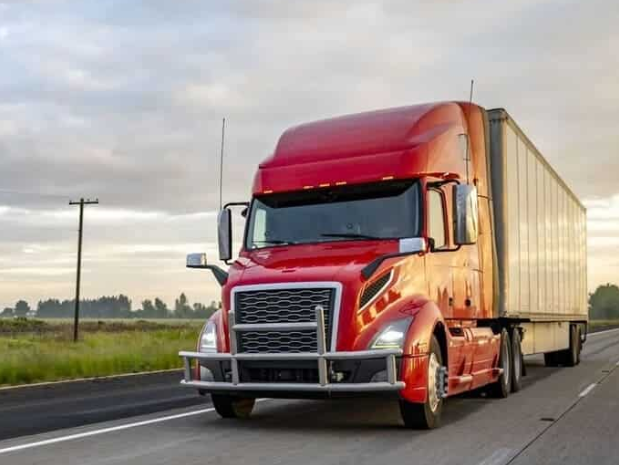
Truck dispatching is one of the most essential operations in the logistics and transportation industry. It’s the process of coordinating and managing freight movement by assigning loads to drivers, scheduling deliveries, and ensuring goods reach their destination on time. A Truck Dispatcher acts as the bridge between trucking companies, drivers, and customers — making sure everything runs smoothly.
With the rapid growth of e-commerce and global trade, the demand for trained dispatchers is rising not just in India, but also in the USA, Canada, and other logistics-heavy countries. It’s a job you can do from an office or even from home with the right tools and training.
1. What Does a Truck Dispatcher Do?
A Truck Dispatcher plays a crucial role in managing the flow of goods across cities, states, and even countries. They are responsible for making sure that freight gets picked up and delivered on time, safely, and cost-effectively. Below are the core responsibilities explained in detail:
Booking and Assigning Freight Loads to Drivers
One of the main tasks of a dispatcher is to find and book freight loads that need to be transported. They work with load boards, freight brokers, or directly with shippers to secure jobs for their trucking fleet. Once a load is confirmed, they assign it to the most suitable driver based on availability, location, and truck capacity.
Dispatchers ensure that drivers have all the required information such as pickup location, delivery time, and cargo details. This process requires excellent planning and decision-making to optimize routes and reduce empty miles.
Communicating with Clients, Shippers, and Carriers
A dispatcher is the communication hub between all parties involved in the freight process. They stay in constant contact with clients (shippers), trucking companies (carriers), and drivers to coordinate every shipment smoothly.
Good communication helps prevent misunderstandings, builds trust with clients, and keeps drivers informed about any last-minute updates. Dispatchers must also be quick to respond to phone calls, emails, and text messages throughout the day.
Using GPS and Dispatch Software to Track Trucks
Modern truck dispatching relies heavily on technology. Dispatchers use GPS systems and Transportation Management Software (TMS) to monitor the location of trucks in real-time.
This tracking allows them to provide accurate ETAs to clients, spot potential delays, and adjust routes when needed. Tools like ELDs (Electronic Logging Devices) and tracking dashboards are essential for ensuring efficiency and accountability.
Ensuring Legal Compliance (Hours of Service, Documents)
Truck drivers must follow strict legal regulations, especially in countries like the USA and Canada. One of the dispatcher’s responsibilities is to ensure that drivers comply with Hours of Service (HOS) rules, which limit how many hours a driver can work in a day or week.
Dispatchers also help manage necessary documents such as Bills of Lading (BOL), insurance papers, permits, and inspection reports. Failing to comply can result in fines, delayed deliveries, or even license suspensions.
Managing Unexpected Issues Like Delays or Route Changes
In logistics, unexpected problems are common — traffic jams, vehicle breakdowns, weather delays, or driver emergencies. It’s the dispatcher’s job to handle these issues quickly and efficiently.
They may need to reroute trucks, reschedule deliveries, or communicate with clients to adjust expectations. A good dispatcher stays calm under pressure and finds smart solutions in real time to avoid losses.
Negotiating Rates and Preparing Paperwork
Truck dispatchers often negotiate freight rates with shippers or brokers to ensure profitability for the trucking company. They must understand current market rates, fuel costs, and truck availability to make fair and competitive deals.
Additionally, dispatchers are responsible for organizing paperwork, including rate confirmations, invoices, and delivery records. Accurate documentation is essential for timely payments and smooth operations.
2. Skills Needed to Become a Successful Truck Dispatcher
To excel as a truck dispatcher, you need more than just basic training — the role requires a combination of technical abilities, communication skills, and logistics know-how. Below are the essential skills that make a truck dispatcher successful, especially if you’re planning to work with clients from the USA or Canada.
Strong Communication (English for US/Canada Clients)
Effective communication is at the heart of dispatching. You must be able to clearly and professionally communicate with drivers, clients, shippers, and freight brokers. If you’re working with international clients, especially from the USA or Canada, fluent English (both spoken and written) is a must. Good communication helps avoid misunderstandings, improves coordination, and builds long-term trust with clients.
Computer and Internet Proficiency
Truck dispatching is largely a digital job, especially if you’re working remotely. You’ll be using various online platforms, email, spreadsheets, and cloud-based tools to manage daily operations. A dispatcher should be comfortable using a computer, browsing the internet, and handling basic software programs without any difficulty.
Knowledge of Dispatch Software & Tools
Dispatchers use various software platforms such as TMS (Transportation Management Systems), load boards like DAT or Truckstop, GPS tracking tools, and ELDs (Electronic Logging Devices). A good dispatcher must be familiar with these tools to assign loads, track shipments, monitor driver hours, and maintain records efficiently. Many truck dispatch training programs include hands-on training with such tools.
Problem-Solving and Multitasking Skills
Unexpected issues like delays, traffic, driver cancellations, or weather-related problems can happen anytime. A successful dispatcher must think on their feet, solve problems quickly, and keep operations moving without affecting delivery timelines. You also need the ability to handle multiple tasks at once — from booking loads to updating clients and tracking vehicles — often under time pressure.
Basic Knowledge of Routes, Trucking Laws, and Freight Types
Understanding major routes, common freight categories, and basic transport regulations helps dispatchers make better decisions. For instance, knowing which states in the USA require special permits or which freight types need specific trailers is essential. This knowledge ensures legal compliance, efficiency, and smoother operations overall.
Negotiation and Customer Service Skills
Whether you’re working with brokers or shippers, strong negotiation skills help you secure better rates and improve profit margins. At the same time, good customer service skills help maintain professional relationships with clients and drivers. Being respectful, responsive, and solution-oriented ensures repeat business and fewer operational issues.
3. Difference Between Freight Brokers and Dispatchers
A Freight Broker acts as a licensed middleman between shippers who need to move goods and carriers who have trucks. They do not own any vehicles or employ drivers. Instead, they connect both parties, negotiate rates, and earn a profit through commissions. To legally operate, freight brokers in countries like the USA must obtain an FMCSA license and a surety bond. Their main goal is to facilitate deals, not manage day-to-day trucking operations.
On the other hand, a Truck Dispatcher works directly for a carrier or trucking company. Their responsibilities include finding loads, assigning drivers, managing schedules, tracking trucks using GPS, and ensuring timely deliveries. Dispatchers handle the daily operations and act in the best interest of the driver or carrier. Unlike brokers, dispatchers don’t need a license and are typically paid a percentage of the load amount or a flat monthly fee by the trucking company.
4. Challenges in Truck Dispatching
Truck dispatching is a fast-paced and dynamic job, but it comes with its own set of challenges. From unexpected delays to communication issues, dispatchers need to stay alert and adaptable at all times. Here are five common challenges truck dispatchers face — and why practical training is essential to overcome them:
Handling Unexpected Delays and Emergencies
Despite the best planning, delays due to traffic, weather, mechanical breakdowns, or driver health issues can happen at any time. Dispatchers must think quickly to reroute trucks, reschedule pickups or deliveries, and inform clients of delays. It requires excellent problem-solving skills and calm decision-making under pressure.
Managing Communication Between Multiple Parties
A dispatcher is the central point of contact between drivers, clients, brokers, and shippers. Miscommunication can lead to confusion, missed deliveries, or unhappy customers. Coordinating smoothly with multiple people, often in different time zones, requires clear, professional, and timely communication.
Ensuring Compliance with Laws and Hours of Service
Truck dispatchers must ensure that drivers follow local and international transport laws, especially Hours of Service (HOS) regulations. If a driver exceeds legal driving hours, the company may face heavy fines. Keeping up with changing regulations and monitoring compliance through tools like ELDs (Electronic Logging Devices) is a constant responsibility.
Finding Profitable Loads and Negotiating Rates
In competitive freight markets, finding the right loads at the right time is a challenge. Dispatchers need to work quickly on load boards and negotiate rates that are both profitable for the carrier and fair for the client. Lack of experience can lead to low-paying or inefficient jobs, which hurt the business’s bottom line.
Using Technology and Dispatch Software Efficiently
Modern dispatching relies on multiple digital tools — from GPS tracking and load boards to dispatch management systems and electronic documentation. Learning and mastering this software is crucial. Without proper training, dispatchers may struggle with technology, leading to errors, delays, or miscommunication.

